

Il Papa agli Stati Uniti: «Gli immigrati hanno plasmato il futuro della nazione»
da FAMIGLIA CRISTIANA
3 luglio 2026
Il Papa agli Stati Uniti:
«Gli immigrati hanno plasmato
il futuro della nazione»
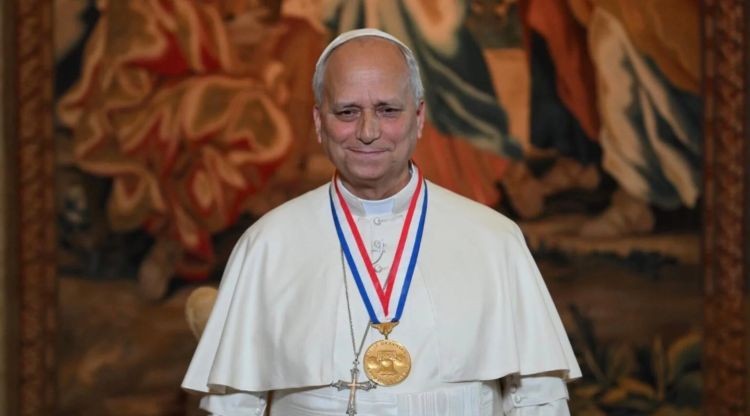
Papa Leone XIV durante il discorso di accettazione della “Liberty Medal” alla vigilia del 4 luglio, la festa dell’Indipendenza americana e di cui quest’anno ricorrono i 250 anni
Nel discorso per il conferimento della Medaglia della Libertà, in occasione dei 250 anni dell’Indipendence Day, Leone XIV invita il suo Paese a riscoprire i valori fondanti della Dichiarazione d’Indipendenza, rilancia il dialogo tra le religioni, richiama la tutela della vita dal concepimento alla morte naturale e chiede un rinnovato impegno per l’unità, la giustizia e la pace: «La libertà religiosa ha dato origine alla tradizione americana di consentire il dialogo interreligioso e la cooperazione interreligiosa per promuovere il bene pubblico»
«Negli ultimi duecentocinquant’anni, per tante popolazioni in tutto il mondo, è stata ferma la determinazione a realizzare la nobile visione dei padri fondatori a rendere l’America sinonimo di libertà, mentre il Paese apriva le porte a ondate successive di immigrati, consentendo a loro e ai loro figli di contribuire a plasmare il futuro della nazione. È stato questo stesso amore per la libertà a ispirare gli Stati Uniti, nelle ore più buie del secolo scorso».
Con questo forte richiamo al contributo decisivo degli immigrati nella costruzione degli Stati Uniti, papa Leone XIV ha aperto il suo discorso in videocollegamento dal Vaticano con il Optional Constitution Center di Filadelfia, dove gli è stata conferita la Medaglia della Libertà alla vigilia del 4 luglio, nel 250° anniversario della Dichiarazione d’Indipendenza americana.
Il Pontefice, primo Papa nato negli Stati Uniti, ha ricevuto il riconoscimento per il suo impegno a favore della libertà religiosa e ha invitato il Paese a riscoprire gli ideali che ne hanno segnato la nascita, indicando nell’unità, nella tutela della vita e nella dignità della persona le basi per affrontare le sfide del presente.
Rivolgendosi ai partecipanti alla cerimonia, Leone XIV ha ricordato le proprie radici americane: «Come figlio di questa grande nazione, fondata da uomini e donne coraggiosi che sognavano la libertà e una vita migliore per se stessi e per i propri figli, mi unisco a voi nel chiedere la benedizione di Dio sul futuro dell’America, affinché gli alti ideali sanciti all’inizio della Dichiarazione d’Indipendenza continuino a guidare la prosperità della nazione nell’unità, nella giustizia e nella pace».
Il Papa ha espresso l’auspicio che la ricorrenza dei 250 anni della fondazione degli Stati Uniti diventi un’occasione di rinnovamento civile e morale: «Accettando questo premio, prego quindi che quest’anniversario possa essere l’occasione per un solenne rinnovo dell’impegno verso questi ideali che hanno reso l’America un paese che valorizza la pace e la prosperità, un paese caratterizzato da generosità e nobiltà d’animo». Il suo saluto finale è stato affidato a un’espressione tanto semplice quanto significativa: «Che Dio benedica l’America!».
La libertà religiosa come bene per tutta la società
Il tema centrale del riconoscimento ricevuto dal Pontefice è stato quello della libertà religiosa, che Leone XIV ha definito uno dei pilastri della tradizione americana: «La libertà religiosa ha dato origine alla tradizione americana di consentire il dialogo interreligioso e la cooperazione interreligiosa per promuovere il bene pubblico e arricchire i dibattiti sulle grandi questioni morali ed etiche che hanno affrontato la nazione e plasmato il corso della sua storia. È mia speranza che questa tradizione continui a dare frutti in un discorso pubblico improntato alla moderazione, al rispetto per le opinioni altrui e a un impegno costante per trovare un terreno comune nella promozione della causa della pace e della riconciliazione, in patria e all’estero».
Secondo il Papa, la capacità di costruire un terreno comune rappresenta uno degli insegnamenti più preziosi dei padri fondatori degli Stati Uniti: «Uomini e donne di diverse origini, religioni e lingue», ha detto il Pontefice, che «sono stati in grado di trovare quel terreno comune e la forza necessaria per perseguire un futuro migliore. I principi che ispirarono i padri fondatori dell’America, radicati nella verità della persona umana, li unirono in un’unica causa, un sogno comune. L’unità diede forza a quel sogno, dando origine, con l’aiuto di Dio, agli Stati Uniti d’America».
Da qui l’invito a ritrovare un’unità fondata su valori permanenti e non su interessi contingenti: «Affinché una nazione possa prosperare, deve essere veramente unita; unita non da obiettivi legati a imprese momentanee, ma da ideali che non svaniscono con il passare del tempo. Possano i principi su cui abbiamo riflettuto oggi – una dignità umana condivisa, l’uguaglianza e i diritti sanciti nella Dichiarazione d’Indipendenza – essere sempre fonte di tale unità e luce guida per il presente e per gli anni a venire».
La difesa della vita, primo diritto
Un passaggio importante del discorso è stato dedicato alla tutela della vita umana, indicata come fondamento stesso della libertà: «La grandezza morale di una nazione si manifesta soprattutto nella sua capacità di sostenere, proteggere e custodire la vita di tutti, specialmente dei più vulnerabili e di coloro il cui valore viene messo in discussione. Dopo il diritto alla vita, la libertà è stata ed è preminente tra i principi venerati dagli uomini e dalle donne che hanno cercato entro i confini di questa nazione un nuovo inizio, spesso equiparandolo a una speranza prima inimmaginabile».
Il Pontefice ha quindi ricordato che la costruzione di una società giusta richiede un impegno continuo da parte di ogni generazione: «Il percorso per costruire una società che incarni gli alti ideali di libertà e giustizia per tutti non è stato sempre facile e, per molti aspetti, è ancora in corso d’opera. In effetti, lo sforzo per realizzare questa visione è un impegno che deve essere ripreso in ogni generazione e di fronte a sfide sempre nuove».
Guardando al futuro degli Stati Uniti, Leone XIV ha auspicato che il grande anniversario della Dichiarazione d’Indipendenza diventi un’occasione di riflessione sul significato autentico della libertà: «Oggi, mentre guardiamo al futuro, questo anniversario storico ci offre l’opportunità di riflettere ancora una volta sui principi fondanti della nazione, nella speranza che l’America rimanga sempre fedele al sogno che le ha valso il titolo di terra dei liberi e patria dei coraggiosi».
Infine, il Papa ha ribadito il valore irrinunciabile della vita umana, dal concepimento alla morte naturale, chiedendo che sia pienamente riconosciuta anche nell’ordinamento giuridico: «Il primo diritto sancito dai padri fondatori della nazione fu il diritto alla vita, poiché nessuno che sia privato della vita può godere della libertà o perseguire la felicità. La vitalità di un Paese è profondamente legata al valore che esso attribuisce alla vita umana in ogni forma e condizione, riconoscendo la dignità conferita a ogni persona umana in virtù della sua stessa esistenza». E ha concluso con un auspicio preciso: «Che ci siano leggi che riconoscano e proteggano questo dono, la vita, dal momento del concepimento fino alla morte naturale».
***
TESTO IN INGLESE
ADDRESS OF HIS HOLINESS POPE LEO XIV
ACCEPTANCE OF THE LIBERTY MEDAL OF
THE NATIONAL CONSTITUTION CENTER (USA)
Friday, 3 July 2026
Dear friends,
I am honored to accept the Liberty Medal of the National Constitution Center in this year that marks the 250th anniversary of the founding of the United States of America with the signing of the Declaration of Independence on July 4, 1776. On the eve of this momentous occasion, I offer a warm greeting to all those assembled at the National Constitution Center in Philadelphia. As a son of this great country, founded by courageous men and women who dreamed of liberty and of a better life for themselves and for their children, I join you in asking God’s blessings upon America’s future, that the lofty ideals enshrined at the beginning of the Declaration of Independence may continue to guide the flourishing of the nation in unity, justice and peace.
From our youth, most of us have admired the eloquence of those words, with their resounding appeal to the law of nature and to nature’s God as the basis of their assertion that all men and women are created equal and endowed by their Creator with certain inalienable rights, including the right to life, liberty and the pursuit of happiness. While couched in the language of the Enlightenment, that claim is ultimately grounded in an understanding of the human person inspired by the great biblical vision of man and woman being created in the divine image. It is indeed here that we discover the basis of human dignity; dignity which precedes the establishment of any State, and whose custody constitutes its very purpose.
In these past two-hundred and fifty years, for so many peoples throughout the world, it was the firm resolve to achieve the noble vision of the nation’s founders that made America a byword for freedom, as the country opened its doors to successive waves of immigrants, enabling them and their children to play their part in shaping the future of the nation. It was this same love of freedom that inspired the United States, in the darkest hours of the last century, at the time of the two world wars, to look beyond itself and, at great sacrifice, to champion the cause of freedom beyond its own borders.
As every American knows, however, the path to building a society that would embody those high ideals of liberty and justice for all was not always easy and, in many respects, is still a work in progress. Indeed, the effort to realize this vision is one that must be taken up anew in each generation and in the face of ever new challenges. Today, as we look to the future, this historic anniversary presents us with the opportunity to reflect once again on the nation’s founding principles in the hope that America will remain ever true to the dream that has earned it the title of land of the free and home of the brave.
The first right enshrined by the nation’s founders was the right to life, for no one who is deprived of life can enjoy liberty or pursue happiness. A country’s vitality is deeply tied to the value it affords to human life in every form and condition, acknowledging the dignity endowed upon every human person by virtue of their very existence. The inherent worth of every human life has led the noble hearts of generations to praise the marvelous works of the Creator (cf. Ps 139:14) and stand in reverence before so precious a gift. Indeed, it is precisely this reverence that we must continue to cultivate — one that sways the hearts of individuals and inspires laws that recognize and safeguard the gift from the moment of conception to natural death. Reverence, too, will aid us in discovering that we are guardians and stewards of those entrusted to our care. In this regard, the moral greatness of a nation is manifested, above all, in its capacity to support, protect and cherish the lives of all, especially the most vulnerable and those whose worth is questioned.
Following the right to life, liberty was and is preeminent among the principles revered by the men and women who have sought within this nation’s borders a new beginning, often equating it with previously undreamed-of hope. Though frequently understood as the ability to act as one would like, authentic freedom runs much deeper. It is founded upon the human person’s capacity to know the truth and adhere to what is good, even at great cost — a sacrifice well known to many who have labored to shape this country. The desire for truth and freedom, as well as the very pursuit of happiness, continues to inspire people of all generations to ask fundamental questions regarding the meaning of life, our ultimate purpose, and indeed about God, and it is proper for magnanimous hearts to endeavor to answer these questions with sincerity. These answers inevitably determine the direction which we seek to give to our lives, and America has long championed the religious freedom necessary to follow responsibly the dictates of conscience in this regard, free from fear and coercion, as enshrined in the First Amendment to the United States Constitution.
It is this freedom that holds sacred the inner sphere of the person where convictions are formed and where conscience can guide the decisions made in the intimacy of the human heart. This same freedom also ensures the right of every person to worship according to one’s own belief, and of individuals, communities and associations to give public expression to their faith. In fact, religious freedom gave rise to the American tradition of allowing for interfaith dialogue and interreligious cooperation in promoting the public good and enriching the debates on the great moral and ethical issues that have faced the nation and shaped the course of its history. It is my hope that this tradition will continue to bear fruit in a public discourse marked by moderation, respect for the views of others and an ongoing effort to find common ground in promoting the cause of peace and reconciliation, at home and abroad.
The forbearers of this country, men and women of diverse backgrounds, religions and languages, were able to find that common ground and the strength necessary to pursue a better future. The principles that inspired America’s founders, rooted as they are in the truth of the human person, brought them together in a single cause, a common dream. Unity lent strength to that dream, giving rise, under God, to the United States of America. E pluribus unum — out of many, one. In order for a nation to flourish, it must be truly united; united not by goals bound to momentary endeavors, but by ideals that do not fade with the passing of time. May the principles we have reflected upon today — a shared human dignity, equality and the rights laid out in the Declaration of Independence — ever be a source of such unity and a guiding light for the present moment and for the years to come.
In accepting this award, I therefore pray that this, the 250th anniversary of the founding of this great nation, may be the occasion of a solemn recommitment to these ideals that have made America a country that values peace and prosperity, a country characterized by generosity and nobility of heart. I commend all of you, as well as the future of the Nation, to the One who is himself the source of true freedom and lasting peace, the One whose very name is Peace.
May God bless America! Thank you!
EDITORIALE »

Un prete può fare politica?
22 Agosto 2026 at 02:04L”EDITORIALE di don Giorgio Un prete può fare politica? Premetto che anni fa ho scritto un opuscolo dal titolo “Il prete e la politica”. Per leggerlo QUI. Comunque...
SITO DI MARTINA VIGANÒ »

Collegati con il sito di Martina Viganò
27 Febbraio 2023 at 15:17per vedere il sito di Martina Viganò clicca sull’immagine ⇓ ...


ALCUNI VIDEO PARTICOLARI »

Giorgio Dall’Angelo: Il Maestro!
25 Luglio 2016 at 08:22⇒ Cognetta, tàgliati la lingua o collegala al cervello (se ce l’hai)! ⇒ Ricostruire il presente ricordando il passato/2 ⇒ Ricostruire il presente ricordando...
PARLIAMO DI… »

Meeting di Rimini: papa Leone ci indicherà come sconfiggere il cancro?
6 Marzo 2014 at 18:02⇒ L’Assunta elevata in cielo con il corpo, e il ferragosto… ⇒ Ricordando Dionigi Tettamanzi ⇒ Amministratori, esempio di distacco, nella povertà ⇒ La...
Commenti Recenti